Every Gastonia home has a washing machine, and every washing machine has a load it quietly refuses: the king comforter wadded into a damp ball, the lined drapes that outweigh the drum's good intentions, the sleeping bags from the last camping trip. These are the household items that come out half-washed, half-dry, and smelling faintly of both. The problem is rarely the machine's quality. It is capacity, water movement, and drying physics, and troubleshooting it starts there.
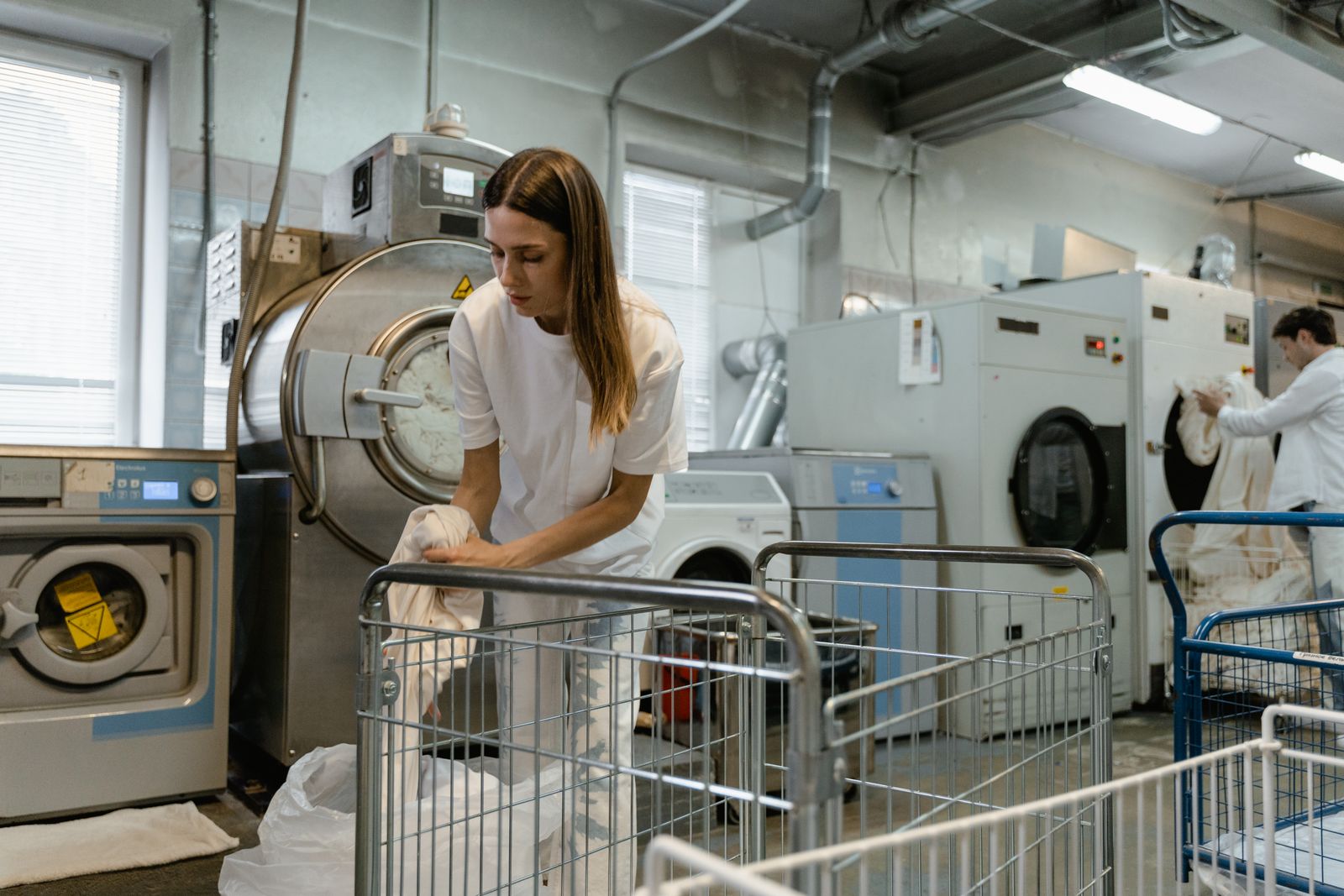
Household textiles go out to a cleaner for the same reason: commercial machines give big items room to actually move in water, extract more of it, and dry the core, not just the surface. Here is how to tell which of your big items can stay home and which should make the trip.
Symptom: the comforter comes out with dry patches and a damp core
The cause is almost always crowding. A comforter that fills the drum cannot tumble, so water and detergent reach the outside while the middle stays folded on itself. Fill clumps, shifts to one side, and dries unevenly for months afterward. The home fix is honest but limited: use the largest laundromat-style machine you can access, wash the comforter alone, and run an extra spin. If your machine is a standard household size and the bedding is king size or heavily filled, the real fix is a commercial machine, where the item can open fully in the wash and the dryer can move hot air through the whole fill.
- Read the item's care label first. Some drapes and comforters are washable, some are dry-clean only, and lined or blackout drapes often split the difference by panel.
- Check for damage before washing. Sun-rotted drape linings and torn comforter seams fail in any machine. Note weak spots and tell the cleaner, or mend first.
- Measure against your machine honestly. If the item fills more than about two-thirds of the drum dry, it will not wash or rinse properly at home.
- Weigh the drying problem. Thick fill holds water deep inside. In Piedmont humidity, a comforter that cannot fully dry within a day risks mildew odor that needs rewashing to remove.
- Decide by item, not by load. Sheets and pillowcases stay home happily. The comforter, duvet, mattress pad, and drapes make the trip out, usually at the change of seasons.
- Inspect at pickup or at home right away. Check seams, fill distribution, and smell. A fully dry, evenly filled comforter is the standard to expect.
Drapes: the special case
Drapes carry two hidden risks. The first is the lining: thermal and blackout linings can crack, peel, or stick to themselves under the wrong heat or solvent, which is why a cleaner inspects and tests before choosing a method. The second is length. Drapes measured to kiss a Gastonia floor can shrink a small percentage in cleaning, enough to leave them hovering. A good shop measures drapes before cleaning and tells you the risk on older or unwashed fabrics, where most shrinkage still waits to happen. Dust is the usual cargo, since drapes hang undisturbed through pollen season collecting it. Regular vacuuming with an upholstery tool at home stretches the time between professional cleanings considerably.
How household items are handled and priced, in general
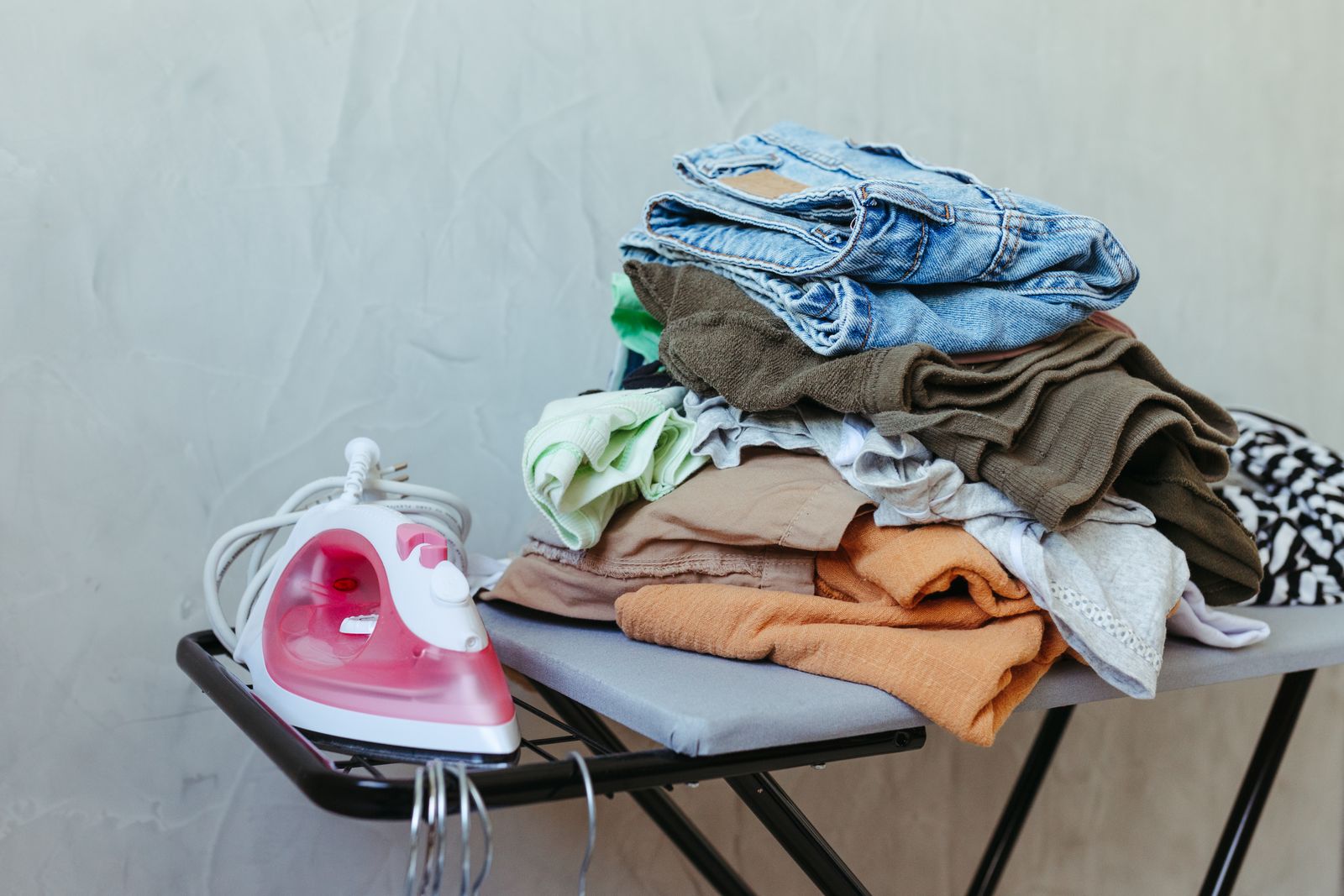
Cleaners generally handle household pieces by the item rather than by weight, because a comforter and a set of drapes are individual jobs: inspected, measured where length matters, cleaned by the method the label and fabric allow, and dried or finished separately. Bulky items are usually turned around more slowly than a shirt load for the same reason they fail at home, since thorough drying cannot be hurried without leaving the core damp. At a shop like 3.09 Cleaners, household items are a listed part of the service precisely because home machines across town all share the same capacity limit. Bring the item in, get the method and the timeline stated plainly, and let the big machines do the work they were built for.
Common questions
How often should a comforter be cleaned?
For a comforter used without a duvet cover, once or twice a year is typical, plus prompt cleaning after illness or spills. A good duvet cover, washed regularly, stretches that interval.
Can lined drapes be cleaned at all?
Usually yes, with the method chosen after inspection. Old, sun-damaged linings are the risky ones, and a cleaner should flag that risk before starting rather than after.
Why does my home-washed comforter smell musty?
Almost always incomplete drying. The surface dries while the fill core stays damp, and mildew follows. A full commercial dry, or a rewashing followed by one, fixes it.
Photos in this guide are representative stock images.
← All guides from 3.09 Cleaners← Back to 3.09 Cleaners