A laundry pile in Gastonia rarely sorts itself into two clean questions, but it should. Does this item need water, or does it need solvent? Wash and fold handles the first group: everyday clothes washed, dried, and folded. Dry cleaning handles the second: garments whose fabric, structure, or trim would be damaged by water and agitation. Most household laundry is firmly in the first group, and sending it the solvent route helps nothing except habit.
The table below sorts the common pile by need, so the next drop-off takes two minutes of thinking instead of a shrug and everything in one bag.
| Item | Wash and fold | Dry clean | Why |
|---|---|---|---|
| T-shirts, socks, underwear, gym clothes | Yes | No | Built for water and heat. Solvent adds nothing and these need frequent washing, not special handling. |
| Everyday cotton shirts and casual trousers | Yes | Usually no | Water washing cleans them fully. Shirts you want crisply pressed can go the laundered-shirt route instead. |
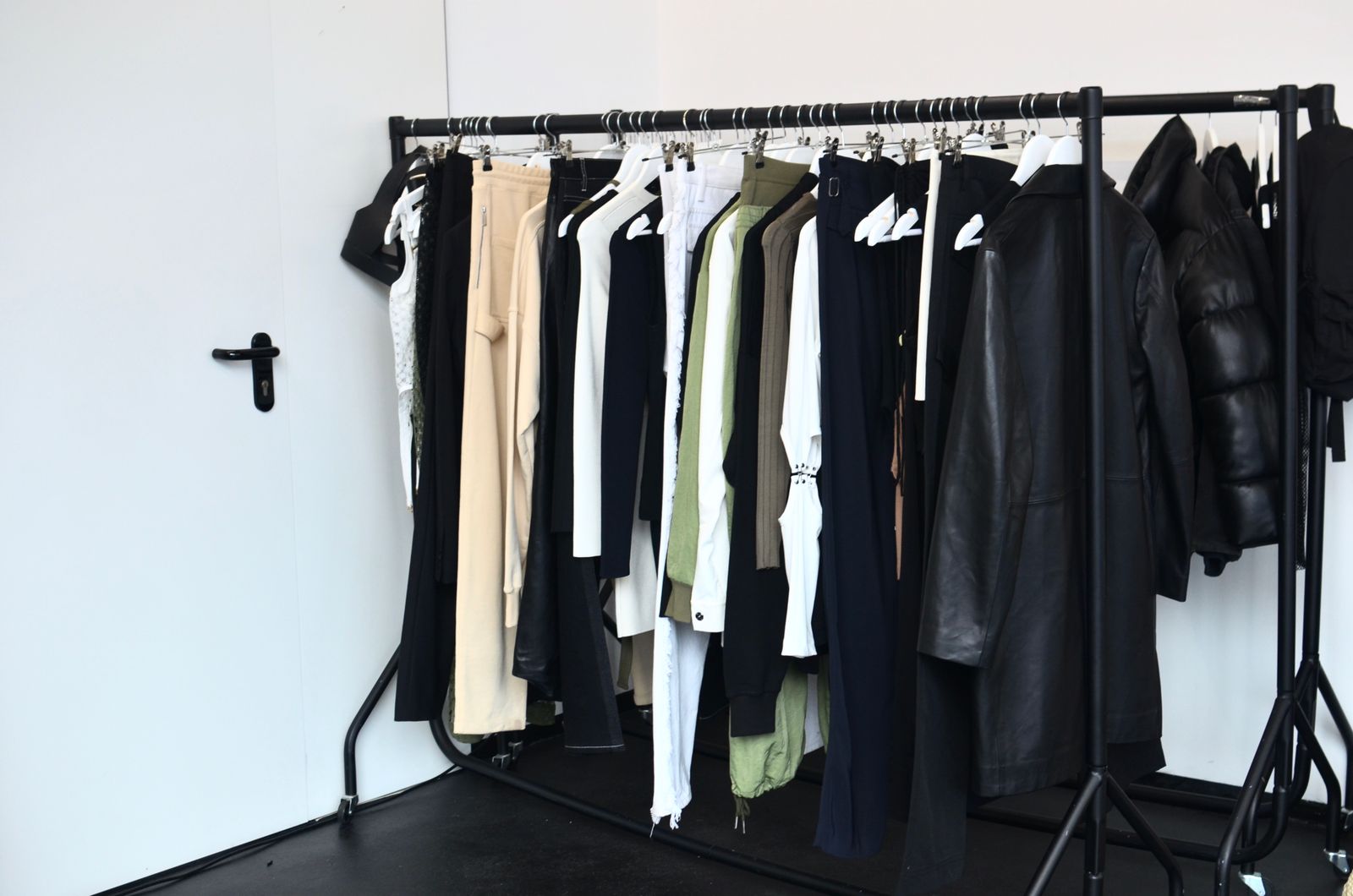
| Suits, blazers, lined dresses | No | Yes | Structure, lining, and interfacing distort in water. Solvent cleaning protects the shape you paid for. |
| Wool sweaters and trousers | No | Yes, generally | Wool can felt and shrink with water and agitation. Some washable wools exist; the care label decides. |
| Silk blouses and ties | No | Yes | Water spots silk and can shift its dyes. Ties have internal structure that water ruins outright. |
| Towels, sheets, everyday bedding | Yes | No | These want hot water, full agitation, and complete drying, exactly what laundry service does best. |
| Jeans and work pants | Yes | No | Denim and twill are water fabrics. Wash inside out in cool water at home if fade is your concern. |
The care label is the referee
When an item could go either way, read the label before deciding. Labels are legal documents as much as advice: the maker is stating the harshest care the garment can safely take. A washable label on a blazer-looking jacket means the maker built it to survive water, and many modern casual pieces are exactly that. A dry-clean-only label on a simple-looking top usually reflects a dye, a finish, or a trim you cannot see. Trust the label over the look, and when a label says both methods, choose water for everyday pieces. It cleans more thoroughly for daily soil and sweat, which is most of what everyday clothes carry.
What never needs the solvent
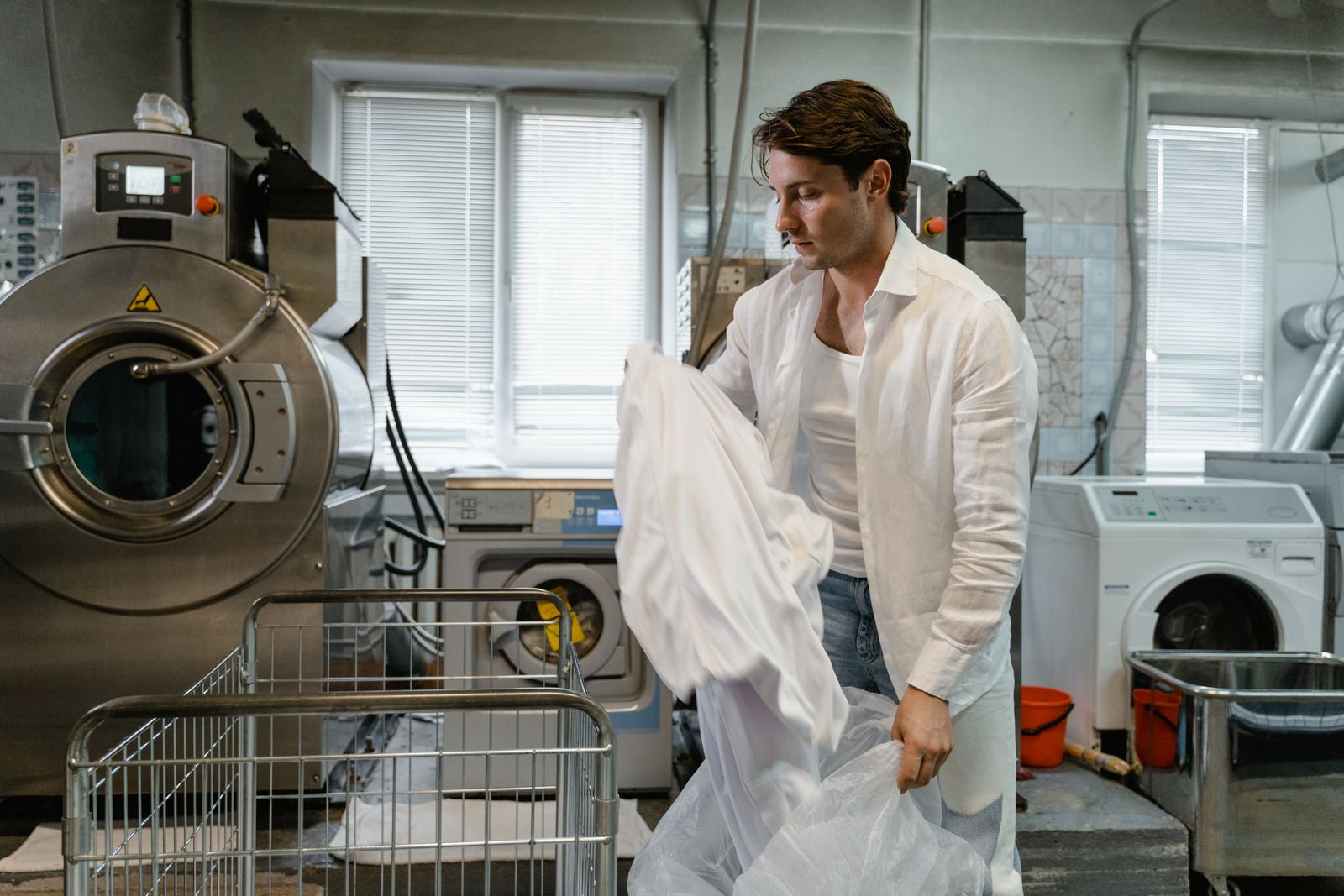
The honest list is long: cotton basics, synthetics in activewear, denim, towels, sheets, most kids' clothes, and most casual dresses in washable fabrics. These items come back from water washing cleaner in the ways that matter, free of sweat salts and body oils that solvent handles less effectively. At 3.09 Cleaners in Gastonia, counter staff sort mixed bags for exactly this reason, sending the everyday bulk to the laundry and reserving solvent care for the pieces that genuinely need protection. If you are unsure about an item, bring it in and ask. A ten-second look at the label and fabric settles most arguments.
The middle shelf: laundered and pressed
Between the two routes sits the service many people actually want for dress shirts: water washing, done properly, followed by a professional press. Shirts are the classic case where dry cleaning is the wrong tool requested out of habit. Cotton dress shirts clean better in water, and the crisp finish people associate with the cleaners comes from the pressing equipment, not the solvent. Sorting by need means using each process for what it does best, and letting the shirt live in the middle where it belongs.
A two-bag habit for drop-off day
Keep two laundry bags at home and the sorting mostly does itself. Everyday washables go in one as the week fills it: basics, towels, sheets, denim, and kids' clothes. Anything with a dry-clean label, a lining, or a fabric you would hesitate to soak goes in the second, along with a note about any stain and what caused it. At the counter, the first bag is weighed and gone in a minute, and the second gets the individual look each piece in it deserves. Households that adopt the two-bag habit stop losing silk blouses to the bulk wash and stop paying solvent prices for gym socks, which is the entire argument of this guide in one small routine.
Common questions
Can dry cleaning hurt washable clothes?
It rarely ruins them, but it can under-clean sweat and salts, and some solvent processes are harder on elastic and certain trims. Water is the better tool for washable everyday wear.
What if an item has no care label?
Bring it in for a look. Fiber content can usually be judged by hand and appearance, and a cleaner can test an inconspicuous spot before committing to a method.
Should I sort before drop-off or let the shop sort?
Either works, but a rough sort at home, delicates flagged on top, speeds check-in and makes sure special instructions travel with the right pieces.
Photos in this guide are representative stock images.
← All guides from 3.09 Cleaners← Back to 3.09 Cleaners